2026–2027 PROGRAM
HIGHLY RURAL TRANSPORTATION GRANT
The Inter-Island Ferry Authority is proud to participate in the Highly Rural Transportation Grant (HRTG) Program, helping eligible veterans living on Prince of Wales Island overcome transportation barriers when traveling for medical care.
Through the program, eligible veterans may receive no-cost passenger and vehicle transportation aboard the IFA when traveling for healthcare-related needs.
The IFA is participating in the program for the 12th year during the 2026–2027 grant cycle.
USING THE PROGRAM WITH THE IFA
WHO CAN USE THE PROGRAM?
To qualify for no-cost travel through the Veterans Transportation Assistance Program, veterans must be traveling for a healthcare-related need and present an approved form of veteran identification to an IFA Agent at the time of travel.
WHAT DOES THE PROGRAM COVER?
Eligible veterans may receive no-cost passenger and vehicle transportation when traveling for healthcare-related needs on IFA’s Hollis, Ketchikan, and Metlakatla routes.
WHAT COUNTS AS HEALTHCARE TRAVEL?
Healthcare travel is broadly defined under the program. Your trip may qualify if you are traveling for a healthcare-related purpose, including:
- A medical appointment
- Picking up a prescription
- Purchasing healthcare-related items, such as a knee brace or reading glasses
WHAT ID DO I NEED?
Present one of the following:
- Alaska Driver’s License or ID Card with VA endorsement
- Armed Forces of the United States ID Card (Retiree)
- Department of Defense 100% Disabled American Veterans (DAV) ID Card
- VA Healthcare Card that does not display a Social Security number or birth date
Don’t have an approved ID yet?
A qualifying ID must be presented at the time of travel. The program does not provide reimbursement for travel completed before the qualifying ID is received.
HOW TO USE THE PROGRAM
-
Book your IFA travel with an Agent and let us know that you’ll be using the Veterans Transportation Assistance Program. Reservations must be made in the veteran’s name.
-
At check-in, present one of the approved forms of veteran identification. Your qualifying ID must be verified before no-cost travel can be provided.
-
Pick up an Appointment Verification Card at your port of departure and take it with you for your healthcare-related travel.
-
Return the completed Appointment Verification Card at your port of return. If the card is not returned, you will be responsible for the cost of the round-trip fare.
TRAVELING WITH AN ESCORT?
Eligible veterans who need to travel with an escort may request coverage for one escort through the program. Escort travel must be authorized in advance by the State of Alaska Department of Military & Veterans Affairs, and the escort must travel on the same sailing(s) as the veteran.
Need to request an escort?
For prior authorization, contact Forrest Powell, Grant Administrator with the State of Alaska Office of Veterans Affairs, at [email protected] or 907-334-0872.
THE LEGACY BEHIND THE PROGRAM
HONORING MAURICE “MO” BAILEY
The name behind Alaska’s Highly Rural Veterans Transportation Grant represents far more than a memorial. Maurice “Mo” Bailey spent years doing, person by person and flight by flight, the work this program continues today: helping veterans overcome the extraordinary distances of rural Alaska to reach healthcare, benefits, and support.
A LIFE OF SERVICE
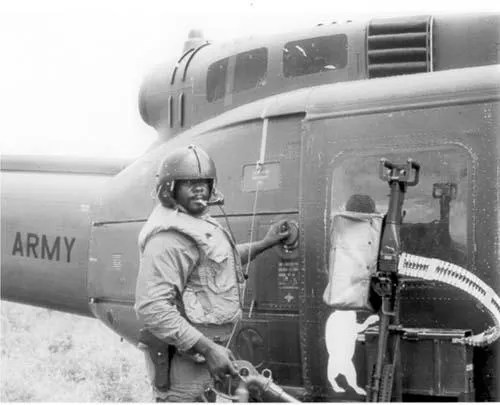
Bailey served more than 20 years in the U.S. Army, beginning his military career in 1956 as a reconnaissance-helicopter and aircraft mechanic. He served three tours in Vietnam before retiring from the Army in 1976.
His service to veterans, however, was far from over.
After leaving the military, Bailey continued flying and spent time living and working in Bush Alaska. There, he saw firsthand a problem familiar to anyone who lives off Alaska’s road system: services may technically exist, but that does not mean people can reach them.
For veterans in remote communities, accessing healthcare or receiving assistance with benefits could require an expensive flight hundreds of miles from home. Some veterans were also disconnected from the systems designed to serve them and did not know what benefits were available to them.
Bailey decided to do something about it.
TAKING HELP TO THE VETERANS
Bailey founded Veterans Aviation Outreach, bringing together fellow veterans, pilots, and volunteers to reach veterans throughout rural Alaska.
Rather than waiting for veterans in isolated communities to find their way to assistance, Bailey and his team flew into those communities.
Their mission became much larger than transportation alone. Veterans Aviation Outreach helped veterans understand and apply for benefits, brought food, clothing, and other necessities to those in need, helped improve veterans’ homes, connected veterans with medical services and, when necessary, transported veterans out of remote communities so they could receive healthcare.
Bailey described the organization not as the result of some grand plan, but as something that grew from seeing a need and responding because it was the right thing to do.
His work earned statewide recognition, including the Governor’s Veterans Advocacy Award in 2007 and recognition from the Alaska Legislature in 2010. But the greater legacy was found in the veterans reached by the work, people living in communities where there might be no road to the services they needed.
WHY THIS GRANT BEARS HIS NAME
When Alaska began participating in the federal Highly Rural Transportation Grant program, its purpose closely reflected the problem Bailey had spent years confronting.
The federal program exists specifically to help veterans living in highly rural areas overcome transportation barriers when traveling for healthcare. Alaska’s geography makes that challenge particularly significant: many communities are separated from medical services not simply by miles, but by water, mountains, and the absence of a connecting road system.
The Alaska Office of Veterans Affairs named its grant the Maurice “Mo” Bailey Highly Rural Transportation Grant in recognition of Bailey’s lifetime of service to veterans and his work transporting veterans from communities across Alaska to reach healthcare and other services.
It was an especially fitting legacy.
Before there was a statewide grant helping pay the cost of highly rural veterans’ transportation, Bailey and his fellow volunteers were climbing into airplanes and doing that work themselves.
Today, the vehicles may be different. A veteran may travel by bus, taxi, aircraft, or ferry depending on where in Alaska they call home. But the principle behind the program remains remarkably similar to the one that guided Bailey’s work: where a veteran lives should not determine whether they can reach the care they have earned.
For veterans living on Prince of Wales Island, the Inter-Island Ferry Authority is part of carrying that mission forward, connecting an island community to the transportation network and healthcare services beyond it.
For veterans in rural Alaska, access to care starts with a way to get there.
ABOUT THIS HISTORY
The story of Maurice “Mo” Bailey presented here was compiled from historical accounts of his life and veterans advocacy, including contemporary reporting from the Anchorage Daily News and Mat-Su Valley Frontiersman, records and publications from the State of Alaska, and public records documenting the Highly Rural Veterans Transportation Grant. These sources chronicle Bailey’s military service, the founding and work of Veterans Aviation Outreach, and the legacy that led Alaska’s highly rural veterans transportation program, and later federal reauthorization legislation, to bear his name.
Sources: Anchorage Daily News (2008); Mat-Su Valley Frontiersman (2010); Alaska Department of Military & Veterans Affairs / Office of Veterans Affairs; State of Alaska Office of Management & Budget; Congressional Record.